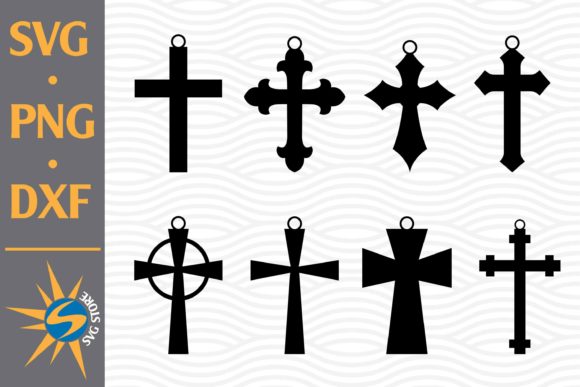
Christian Cross Earring Design & Style Ideas
The Christian cross earring has moved far beyond a simple religious symbol. For many, it represents a subtle declaration of faith, a nod to heritage, or an intentional aesthetic choice. Whether you are a jewelry designer looking for fresh inspiration, a content creator styling a shoot, or a small business owner curating a collection, understanding the range of possibilities behind this accessory can unlock new creative directions.
At its core, the Christian cross earring takes the familiar cross form and adapts it for everyday wear. Unlike larger pendants or wall art, earrings sit close to the face, making them intimate and personal. This proximity changes how the symbol communicates. It can be bold or understated, traditional or avant-garde, depending on material, size, and finishing.
What makes this accessory particularly interesting is its ability to bridge the sacred and the secular. A minimalist silver cross stud feels reverent and clean. A chunky gold cross hoop feels fashion-forward. A carved wooden cross dangle feels earthy and grounded. Each variation carries a different energy, and that versatility is what keeps designers and wearers coming back to it.
Exploring Creative Styles and Material Choices
The most obvious place to start is with the silhouette. A classic Latin cross is instantly recognizable, but you can also work with Celtic crosses, Maltese crosses, or abstract interpretations where the arms are uneven, twisted, or broken. Each shape shifts the visual weight and the story behind the piece.
Material choice dramatically affects the final impression. Here are some common approaches and what they communicate:
- Sterling silver or white gold – clean, modern, and understated. Works well for daily wear and younger audiences who prefer subtlety.
- Yellow or rose gold – warm, classic, and slightly vintage. Appeals to those who want a heirloom-quality piece.
- Blackened steel or oxidized silver – edgy and contemporary. Popular in gothic or alternative fashion circles.
- Wood, resin, or acrylic – lightweight and artisanal. Great for eco-conscious brands or handmade collections.
- Enamel or colored inlay – playful and expressive. Allows you to match specific brand colors or celebrate seasons.
The finish also matters. A high-polish surface catches light and draws attention. A matte or brushed finish feels quieter and more approachable. Adding texture through hammering, engraving, or filigree work gives the earring a handmade quality that buyers often value.
Size is another variable. Tiny studs (around 6–8 mm) work well as second piercings or for men who want a discreet symbol. Medium dangles (1–2 inches) offer visibility without being overbearing. Large statement earrings (2.5 inches or more) become the focal point of an outfit and work best for events, photoshoots, or bold daily styling.
Ideas for Designers and Makers
If you create jewelry for a living, the Christian cross earring opens several collection opportunities. You do not have to limit yourself to one interpretation. Consider building a capsule collection around a single theme, such as “modern devotion” or “sacred geometry.” Within that theme, you can offer studs, huggies, and drop earrings that share a cohesive visual language.
Another approach is to pair the cross with other meaningful symbols. A cross combined with an infinity loop, a heart, or an anchor creates a layered narrative. These combinations appeal to customers who want their jewelry to tell a more complete story about love, faith, or resilience.
Customization also drives interest. Offering options like engraved initials, birthstone accents, or removable charms allows buyers to make the piece their own. This can be done without compromising the cross form by adding a small gem at the center or allowing the wearer to choose between a polished or textured surface.
For those selling through print-on-demand or handcrafted marketplaces, consider creating sets that pair the earrings with a matching pendant or ring. A coordinated set increases average order value and gives the customer a complete look.
How Marketers and Content Creators Can Use Christian Cross Earrings
Visual storytelling around this accessory works best when you focus on context rather than just the object. Show the earrings being worn in real settings: a coffee shop, a morning walk, a casual office, a wedding reception. The setting helps potential buyers imagine the piece in their own life.
Lighting and angle matter immensely for earring photography. Because earrings are small and reflective, use macro shots to highlight details. Pair them with neutral backgrounds or fabrics that complement the metal tone. For video content, a slow 360-degree rotation or a close-up of the earring catching sunlight can be more effective than a static image.
When writing product descriptions, avoid overloading the text with religious jargon unless your audience explicitly expects it. Instead, describe how the piece feels to wear: comfortable, lightweight, secure. Mention the clasp type—fish hook, lever back, or stud post—since that affects usability. Include measurements in both millimeters and inches so international customers can visualize the size.
For bloggers and publishers, a post about styling Christian cross earrings across different occasions can attract search traffic. Break it down by outfit type: casual denim, workwear, evening dresses, or layered jewelry looks. Include clear, high-quality photos with each suggestion.
Adapting for Different Audiences and Platforms
Your audience will shape how you present this accessory. A younger demographic on TikTok or Instagram Reels might respond better to fast styling transformations—showing how the same earring looks completely different with a hoodie versus a blazer. An older, more traditional audience on Pinterest or Facebook might prefer static image collections that emphasize craftsmanship and durability.
Entrepreneurs launching a faith-themed brand can position the Christian cross earring as a cornerstone product. Because the symbol carries meaning, you can build an entire brand voice around values like hope, strength, or community. Share behind-the-scenes content about how you source materials or what inspired the design. This builds trust and connection with customers who share those values.
For educators and workshop leaders, the cross earring can serve as a teaching tool in jewelry-making classes. Its simple geometry makes it ideal for teaching basic sawing, soldering, or wire-wrapping techniques. Students can start with a straightforward design and gradually add complexity as their skills grow.
Practical Tips for Keeping Designs Clear and Consistent
When working with a symbol as recognizable as the cross, clarity matters. If you distort the shape too much, it may no longer read as a cross to the wearer. Test your designs with fresh eyes—show them to someone unfamiliar with your work and ask what they see. If they hesitate, the form may need refinement.
Consistency across your collection helps build brand recognition. Use the same cross proportion across earrings, pendants, and bracelets so that pieces feel like they belong together. Decide on a few core metals and finishes and stick with them rather than offering ten different options that dilute your style.
Quality control is especially important for small items like earrings. Check that clasps close securely, that posts are straight, and that no sharp edges remain after polishing. A poorly finished piece can cause discomfort or breakage, and for a symbol of faith, that disappointment carries extra weight.
Finally, listen to feedback. If customers consistently ask for smaller or larger versions, adjust your lineup. If they comment that a certain metal irritates their skin, explore hypoallergenic alternatives like titanium or niobium. The Christian cross earring may be timeless, but your approach to it should evolve with your audience.
Making It Original Without Losing the Symbol
Originality in this space comes from detail rather than reinventing the shape. Consider asymmetrical designs where one earring has a cross and the other has a complementary symbol like a star or a small gem. You can also play with orientation—a horizontal cross bar as a subtle stud or a diagonal placement that catches the eye differently.
Texture and finish can turn a standard design into something distinctive. A cross that appears rough-hewn like driftwood, or one that is smooth and mirror-like, creates a very different impression. Combining two metals in one earring—such as a gold cross on a silver hoop—gives the piece a custom, mixed-metal look that feels current.
For those creating for a specific community, incorporate local motifs or materials. A cross earring made from reclaimed wood from a historic church, or set with a gemstone native to your region, carries a story that no other piece can replicate. This approach works especially well for small businesses that emphasize authenticity and place.
Remember that the best designs do not try to say everything at once. A single, well-executed idea—whether it is perfect proportions, a surprising material, or a thoughtful pairing—will resonate more than a busy design trying to combine every trend. Let the cross be the anchor, and build around it with intention.