Easter Clipart and the Life of Jesus: Choosing Images That Honor the Story
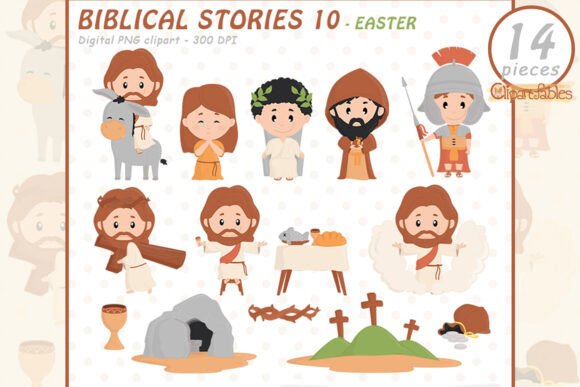
Easter clipart that depicts the life of Jesus is more than decorative filler—it’s a visual retelling of the most significant events in Christian faith. From Palm Sunday to the Resurrection, these images help educators, church volunteers, small business owners, and content creators communicate the heart of Easter in a way that words alone cannot. But not all clipart is created equal. A poorly chosen image can dilute your message, misrepresent the story, or even offend your audience. Let’s walk through the common pitfalls and how to avoid them, so your Easter materials remain respectful, effective, and genuinely helpful.
Mistake #1: Mixing Secular and Sacred Imagery Without Purpose
It’s easy to grab a cheerful bunny or pastel egg clipart because it’s cute and widely available. But when your content is centered on the life of Jesus, those secular symbols can confuse your audience. A classroom handout that places a cross next to a chocolate bunny might send mixed signals to children—or, worse, trivialize the Passion narrative. If your goal is to teach or reflect on the biblical account, keep the imagery rooted in the Gospel events.
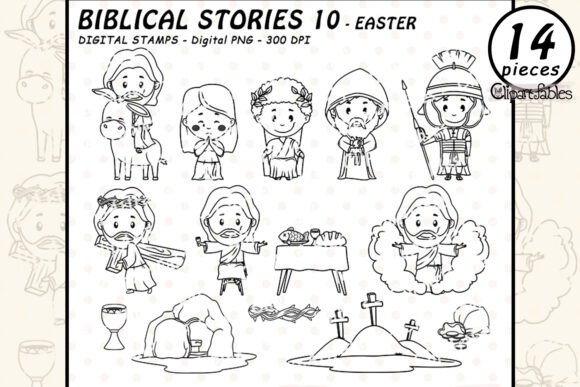
Better approach: Choose clipart that explicitly illustrates scenes from Jesus’s life—the Last Supper, the crucifixion, the empty tomb. If you do include general Easter motifs, make sure they support rather than overpower the biblical theme. For example, a lamb clipart (symbolic of Christ) is more appropriate than a duckling when teaching the Resurrection.
Mistake #2: Overlooking Historical and Cultural Authenticity
One of the most overlooked details in Easter clipart is the depiction of Jesus and his surroundings. Many illustrations show a blond, blue-eyed Jesus in a European setting. While that may reflect a particular artistic tradition, it doesn’t match the historical reality of first-century Judea. For a diverse modern audience—including many Christians in the Global South—such imagery can feel alienating or even inaccurate.
How this affects results: If you’re creating materials for a multicultural congregation or a global online audience, inaccurate depictions may reduce trust and lessen the impact of your message. People notice when the figures don’t reflect the biblical context.
Practical advice: Seek out clipart that shows Jesus and the disciples with Middle Eastern features, clothing, and architecture. Many artists now produce culturally sensitive biblical clipart. Before downloading, check the artist’s description or sample images to confirm they’ve done their homework. Even subtle details like sandals, head coverings, and stone background can make a big difference.
Mistake #3: Choosing Low-Resolution or Poorly Sized Images
It’s tempting to use the first free clipart you find online, but low-resolution images look pixelated when printed or stretched on a screen. A blurry Resurrection scene on a church bulletin or a social media post undermines your professionalism. Similarly, using a square clipart in a wide banner without proper cropping can leave awkward white space or distorted proportions.
What to check before you download: Look at the file’s dimensions in pixels. For print, aim for at least 300 DPI (dots per inch). For web use, 72–150 DPI is usually fine, but the image should be large enough that it won’t need resizing beyond 100%. Also check if the clipart comes in common formats like PNG (with transparent background) or SVG (scalable vector). A transparent background is especially useful when layering images in presentations or flyers.
Example: A Sunday school teacher preparing a handout might download a 200×200 pixel clipart of the empty tomb. When printed at 4 inches wide, it looks jagged. Instead, find a vector file or a high-res PNG that scales cleanly.
Mistake #4: Ignoring Licensing and Usage Rights
“Free for personal use” does not mean free for commercial use. Many well-meaning bloggers, small business owners, and church administrators have faced legal notices or removed content because they used a clipart without proper licensing. This is especially common with Easter clipart found on general image sites—someone uploads a beautiful illustration, but they didn’t have the right to share it.
The real cost: Besides legal risks, using unlicensed images signals poor stewardship. If your church or business values integrity, the art you choose should be obtained ethically.
Better approach: Always read the license terms. Look for Creative Commons (CC0 or CC-BY), public domain, or royalty-free with clear commercial allowances. Many excellent biblical clipart artists sell affordable packs with explicit permission for church and small business use. A small upfront investment protects you and supports the creator. When in doubt, contact the artist directly.
Mistake #5: Over-Sentimental or Cartoonish Depictions of Crucifixion and Resurrection
Easter clipart that shows Jesus on the cross with a gentle smile and no blood might seem appropriate for children, but it can sanitize the sacrifice in a way that robs the story of its gravity. Conversely, extremely graphic or gory images can disturb viewers without deepening understanding. Finding the right balance is crucial, especially if your audience includes both children and adults.
Practical advice: For mixed-age groups, use symbolic or reverent imagery. A cross with a sunrise, an empty tomb with folded burial cloths, or a simple stylized silhouette of Jesus can convey the Resurrection without gratuitous detail. If you teach older youth or adults, consider clipart that shows the crucifixion with realistic sorrow but avoids gratuitous violence. Let the dignity of the moment guide your choice.
Ask yourself: Does this image invite reflection, or does it provoke shock? The best Easter clipart for the life of Jesus helps people meditate on the story, not just glance at it.
Mistake #6: Not Matching the Style to Your Medium and Audience
A watercolor clipart set might look beautiful on a blog, but it may not work well in a black-and-white church handout. A highly detailed illustration could be lost on a small social media avatar. Many creators assume one style fits all, and then wonder why their materials feel disjointed.
What to check: Consider where the clipart will appear—print, digital, large screen, small card, video, etc. For consistency, select a clipart collection that offers the same artistic style across multiple scenes from Jesus’s life. For example, a line-art set works wonderfully for coloring pages, while a flat-color vector set is versatile for PowerPoint slides and web graphics. If you’re building a series of resources for Lent and Easter, stick with one artist or cohesive pack to maintain visual coherence.
Example: A church newsletter that mixes a realistic painting of the Last Supper with a cartoon resurrection and a photoshopped palm leaf creates a jarring reading experience. Instead, invest in a unified “Life of Jesus” clipart bundle that covers key events from Palm Sunday to Ascension.
Mistake #7: Forgetting Diversity in Representation
While historical accuracy is important, so is reflecting the global body of Christ. Clipart that exclusively shows white, Western-looking disciples can feel exclusive to non-Western audiences. At the same time, adding diversity should not feel forced or tokenistic.
Better approach: Look for clipart artists who intentionally depict a range of skin tones and ages among followers of Jesus. This is especially relevant for modern application—for example, images used in contemporary ministry settings might include multiethnic crowds welcoming Jesus into Jerusalem. For the biblical scenes themselves, aim for historically plausible diversity (people from various regions of the Roman Empire). Many reputable clipart designers now offer inclusive options, so take time to browse different portfolios.
Before You Download: A Quick Checklist
- Purpose alignment: Does the clipart directly support the life-of-Jesus narrative, or could it distract?
- Theological sensitivity: Does the image portray the crucifixion, resurrection, and other events with respect and accuracy?
- Technical specs: Is the resolution sufficient for your use case (print or screen)?
- Licensing: Do you have the right to use it for your specific project (personal, educational, commercial)?
- Style consistency: Will it match your other visuals?
- Cultural/historical authenticity: Does the clothing, setting, and people look period-appropriate?
- Audience appropriateness: Is the level of detail or realism right for the viewers (kids, teens, adults)?
Better Choices Lead to Better Storytelling
Choosing Easter clipart for the life of Jesus isn’t just about picking a pretty picture. It’s an act of stewardship—for your message, your audience, and the sacred story you’re telling. When you avoid these common mistakes, your materials become more trustworthy, engaging, and memorable. Whether you’re a children’s ministry leader, a small business owner creating Easter greeting cards, or a blogger sharing reflections on the Resurrection, intentional clipart choices elevate your work. Take the extra few minutes to vet your images, and you’ll create resources that truly honor the story of Easter.