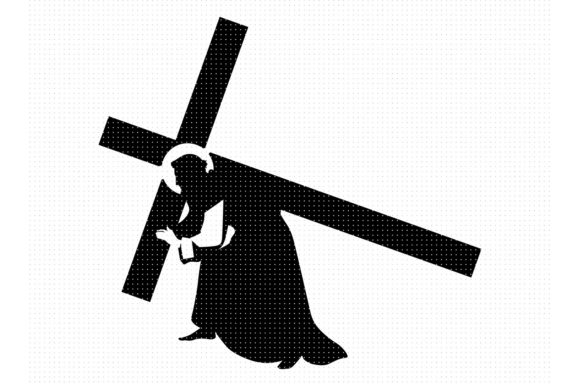
Choosing a Devotional Focus: Understanding Jesus Christ Carrying the Cross
For many adults exploring Christian art, theology, or personal devotion, the image of Jesus Christ carrying the cross stands as one of the most visually and emotionally charged scenes in the Passion narrative. Whether you are researching for personal study, selecting artwork for a sacred space, or comparing devotional resources, understanding what makes this depiction distinct can help you make a more thoughtful choice. This article examines the strengths, limitations, and practical considerations of engaging with Jesus Christ carrying the cross, comparing it with related scenes and alternative approaches so you can decide what best fits your needs.
What Makes Jesus Christ Carrying the Cross Distinct
The moment when Jesus carries the cross toward Golgotha is a transitional scene found in all four Gospels, though each account emphasizes different details. Unlike the Crucifixion itself, which focuses on the final act of sacrifice, or the Resurrection, which centers on triumph over death, Jesus Christ carrying the cross occupies a space of journey, suffering, and human limitation. It is a scene that invites reflection on endurance, public shame, and the physical reality of the Passion.
What sets this depiction apart from other Passion moments is its emphasis on movement and process. The cross is not yet the instrument of death but a burden being carried. This distinction matters for several reasons. First, it allows for a focus on the humanity of Jesus in a way that the static crucifixion scene sometimes does not. Second, it opens the door for other figures to enter the narrative—Simon of Cyrene, Veronica, the weeping women of Jerusalem—which expands the theological and emotional range of the story.
For those comparing artistic representations, you will find that Jesus Christ carrying the cross has been interpreted across many periods and styles. Late medieval and Renaissance artists often emphasized the weight and strain, while Baroque artists leaned into dramatic lighting and emotional intensity. Modern and contemporary works may strip away background detail to focus solely on the figure and the cross. Each approach offers a different entry point for reflection, and your preference may depend on whether you value historical accuracy, emotional immediacy, or symbolic minimalism.
Comparing Depictions with Other Passion Scenes
When deciding whether to focus on Jesus Christ carrying the cross versus other Passion moments, it helps to consider what each scene offers. The Crucifixion, for example, is the theological center of the Passion for most Christian traditions. It emphasizes atonement, sacrifice, and the completion of the work of salvation. If your primary interest is doctrinal teaching about the meaning of the cross, the Crucifixion scene may be more direct.
The Resurrection, by contrast, offers hope, victory, and new life. It is the scene most often chosen for Easter celebrations and for spaces that emphasize joy and triumph. If you are selecting artwork or devotional material for a season of renewal or for a context that emphasizes hope, the Resurrection may serve you better.
Jesus Christ carrying the cross sits between these two poles. It is a scene of ongoing suffering, not yet resolved. For some, this makes it a powerful subject for Lenten reflection, for times of personal struggle, or for contexts where you want to sit with the reality of pain before arriving at resolution. It is less suited for occasions that call for celebration or doctrinal clarity, though it can certainly complement those themes when placed in a broader narrative.
Artistic and Devotional Comparisons
Within the category of Jesus Christ carrying the cross, you will also find variation. The Via Dolorosa tradition, especially the Stations of the Cross, includes multiple moments related to the carrying of the cross. Some artistic sequences break this into several stations—Jesus takes the cross, Simon helps carry it, Veronica wipes his face, and so on. Other works collapse these into a single image.
If you are choosing a devotional resource, consider whether you want a single image for focused meditation or a series that guides you through the entire journey. Single images can be easier to contemplate deeply over time, while a series may offer more narrative context and variety.
Additionally, different Christian traditions emphasize different aspects of this scene. Catholic devotional culture often highlights the physical suffering and the role of Mary and Veronica, while Protestant traditions may focus more on the theological meaning of bearing one's own cross as a disciple. Eastern Orthodox iconography typically presents a more stylized and liturgical image, with less emphasis on naturalistic pain and more on the cosmic significance of the moment. Knowing your own tradition or the context in which the image will be used can help you choose a depiction that resonates.
Strengths and Tradeoffs of Focusing on This Scene
One clear strength of choosing Jesus Christ carrying the cross as a devotional or artistic focus is its accessibility. The image of someone bearing a heavy burden is universally understood, even by those who may not share the Christian faith. This can make it a useful subject for interfaith or mixed-belief settings, for personal reflection on suffering, or for contexts where you want to invite empathy rather than doctrinal assent.
Another strength is the scene's narrative openness. Because it is a journey rather than a fixed moment, it allows the viewer or participant to move with Christ, to imagine the road, and to insert themselves into the story. Many people find this more engaging than a static image of the crucifixion, which can feel distant or overly familiar.
However, there are tradeoffs. The scene of Jesus carrying the cross is not the theological climax of the Passion. If your purpose is to teach or meditate on the completed work of atonement, this scene may feel incomplete on its own. It works best as part of a larger narrative or devotional sequence, not as a standalone substitute for the crucifixion or resurrection.
Additionally, some depictions of Jesus Christ carrying the cross can be visually overwhelming, especially those that emphasize blood, exhaustion, or the cruelty of the crowd. While this intensity may serve some purposes, it can also be alienating for those with a lower tolerance for graphic imagery or for children and sensitive viewers. If you are selecting images for a public or shared space, consider the emotional impact on the full range of viewers.
When Jesus Christ Carrying the Cross Is the Right Choice
This scene may be the right choice for several specific situations. First, if you are planning a Lenten devotional series or a prayer journey focused on suffering and endurance, Jesus carrying the cross provides a natural centerpiece. Many find that following Christ along the Via Dolorosa helps them enter into the season with greater intentionality.
Second, if you are selecting artwork for a space that is meant to evoke humility, journey, or shared human struggle—such as a counseling center, a hospital chapel, or a retreat house—this image may speak more directly than a triumphant resurrection scene. It acknowledges pain without being hopeless, which can be a powerful message for people in difficult circumstances.
Third, if you are teaching or writing about discipleship, the call to "take up your cross and follow me" is directly linked to this scene. Focusing on Jesus carrying the cross allows you to explore what it means to bear burdens, to accept help from others (as Simon did), and to persist in the face of opposition.
When Another Option May Serve You Better
There are also clear situations where another Passion scene may be more appropriate. If your primary goal is Easter celebration or the proclamation of victory over death, the Resurrection is a stronger choice. If you are teaching the theology of atonement in a systematic way, the Crucifixion scene gives you more direct material. If you are working with young children or in a setting where you want to minimize intense imagery, consider using a more symbolic or stylized representation of the cross without the full narrative of the carrying.
Similarly, if you are choosing a single image for a year-round sacred space, consider whether the carrying of the cross captures the full range of what you want to communicate. Some find that a crucifix or a resurrection icon serves as a more complete summary of the Christian message. The carrying scene is powerful, but it points beyond itself to what comes next.
Practical Decision Factors
When comparing options, think about the following factors:
- Context: Where will this image or devotion be used? A personal prayer corner allows for more intensity than a church lobby or a classroom.
- Tradition: What is your own theological and liturgical background? Choosing a depiction that aligns with your tradition may feel more natural and authentic.
- Audience: Who will be engaging with this resource? Consider age, familiarity with the story, and emotional sensitivity.
- Purpose: Are you teaching, praying, decorating, or studying? Each purpose may call for a different type of depiction or resource.
- Format: Do you want a single image, a series, a book, a film, or a musical work? The carrying of the cross appears in many media, and the format affects how you engage with it.
For example, if you are leading a small group through Lent, you might choose a series of images or a video meditation that walks through each station of the cross. If you are furnishing a personal prayer space, a single high-quality print or icon of Jesus Christ carrying the cross may be enough. If you are writing a blog or teaching a class, you might compare several artistic interpretations to show how different cultures and periods have understood the scene.
Making an Informed Decision
Ultimately, choosing to focus on Jesus Christ carrying the cross is a decision that rewards careful reflection. This scene has endured for centuries precisely because it captures something essential about the Christian story: that salvation is not only a finished act but also a path walked in real time, with real weariness, and with help along the way.
For those who are comparing options, the best choice depends on your specific needs and context. If you are drawn to a devotional focus that honors process, human limitation, and the presence of others in times of trial, this scene offers rich material. If you need a more complete theological statement or a more celebratory tone, look to other Passion moments or use this scene as one part of a larger sequence.
By understanding what makes Jesus Christ carrying the cross distinct, comparing it thoughtfully with related scenes, and weighing the practical factors that matter in your setting, you can make a choice that serves your purpose well. The goal is not to find one right answer but to select the resource that best fits the journey you are on.